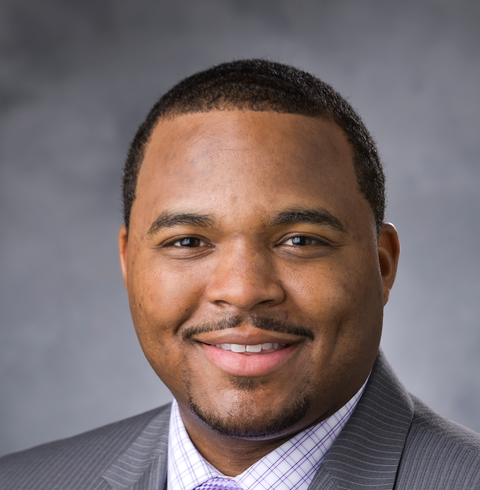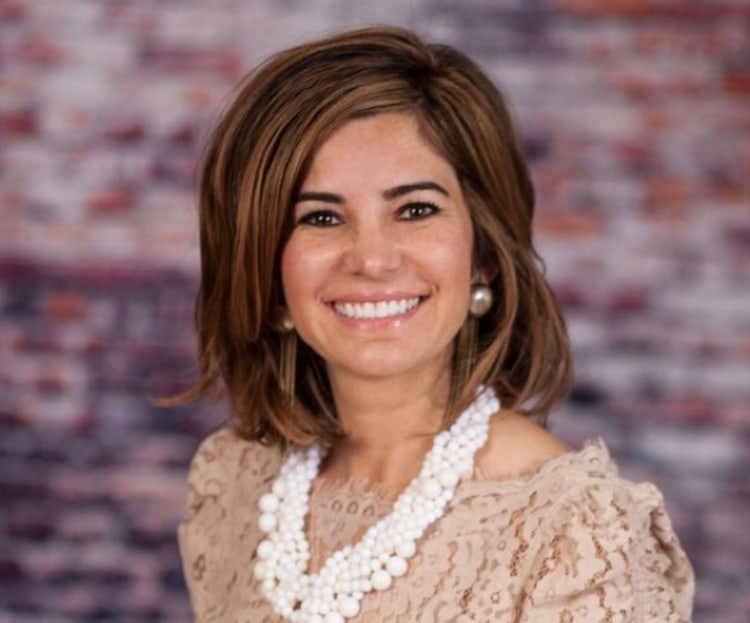
Anabell Castro Thompson
MSN, APRN, FAANP, FAAN
Bio:
Anabell Castro Thompson, MSN, APRN, FAANP, FAAN, is Senior Vice President at Suvida Healthcare, where she leads enterprise-wide initiatives to enhance trust, care navigation, satisfaction, and clinical coordination across diverse patient populations. A seasoned Nurse Executive and health equity strategist, she is nationally recognized for her work advancing culturally responsive care and closing gaps in access and outcomes for Latino and underserved communities.
A Fellow of both the American Academy of Nursing and the American Association of Nurse Practitioners, Anabell brings more than two decades of leadership at the intersection of clinical innovation, community engagement, and policy reform. She is the architect of transformative programs that drive measurable improvements in patient engagement, trust, cost-efficiency, and health equity.
Anabell is a former President of the National Association of Hispanic Nurses (NAHN) and the Latina Strong Foundation and is the creator of the Social Cultural Risk Assessment (SCRA) a validated, evidence-based tool designed to assess social determinants of health and cultural constructs known to impact health within Latino communities.
Widely recognized for her thought leadership, Anabell has received numerous national honors and has been named a distinguished alumna by both the University of Arizona and Arizona State University.
Ashani Johnson-Turbes
PhD, Vice President at NORC at the University of Chicago, Director of the Partner and Community Engagement Research Center
Bio:
Ashani Johnson-Turbes, PhD, is Vice President at NORC at the University of Chicago, Director of the Partner and Community Engagement Research Center, and a senior leader within NORC's Center for Health Communication Science. An award-winning social scientist with more than 20 years of experience, Johnson-Turbes leads research, evaluation, and partnership initiatives that help organizations translate community voices into actionable evidence for policy and practice. Her work focuses on using rigorous mixed method designs, democratizing access to data, elevating lived experience alongside traditional data sources, and exploring how emerging technologies can inform more research, policy, and decision-making. She is recognized for developing community-engaged approaches that strengthen trust, increase participation, and ensuring that research findings are accessible and meaningful to those they are intended to serve. Johnson-Turbes has served on federal advisory committees and research advisory boards and published extensively in peer-reviewed journals. She is Adjunct Faculty at Emory University's Rollins School of Public Health and serves as an Officer and Past President of the Society for Health Communication. Johnson-Turbes earned her BA from Hampton University and her MA and PhD from Purdue University with continued studies at the University of Chicago.
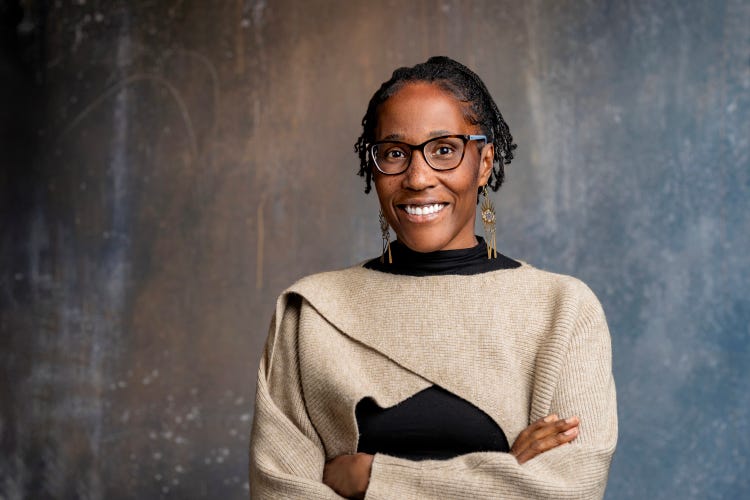
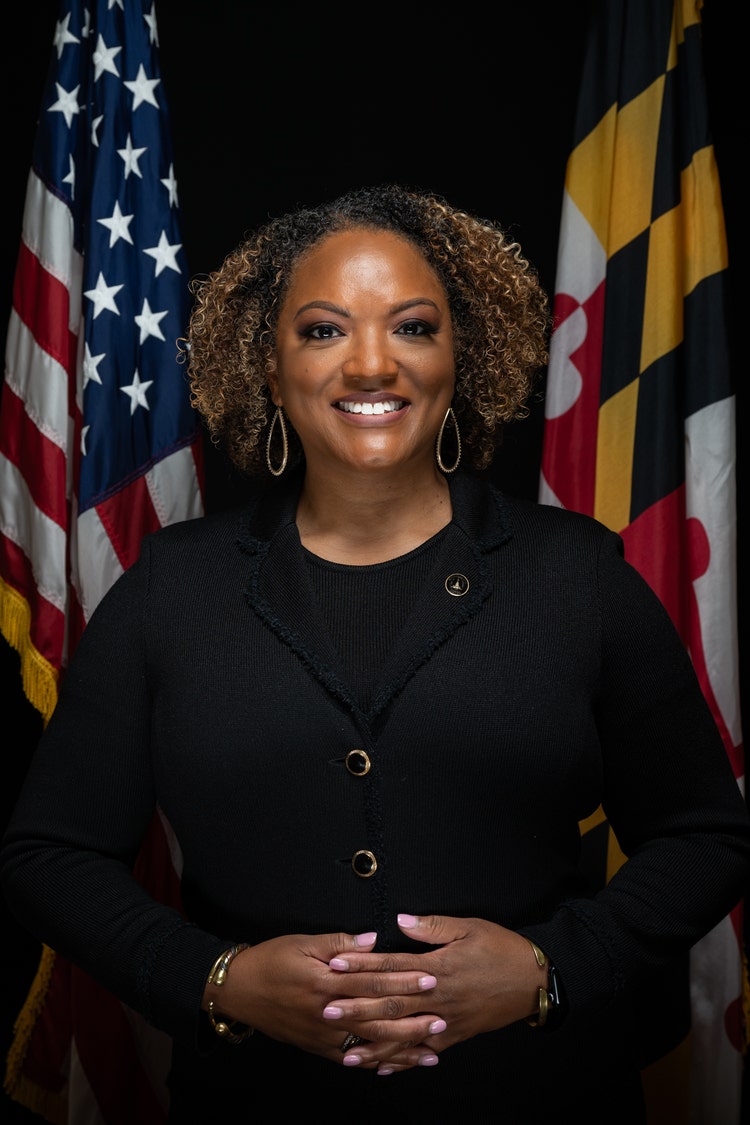
Michelle Taylor, MD, DrPH, MPA
Bio:
Dr. Michelle Taylor is the Commissioner of Health of the Baltimore City Health Department. In her prior role, Dr. Taylor served as Director-Health Officer of the Shelby County Health Department, in Memphis TN. She is also a Colonel and Residency-Trained Flight Surgeon in the Tennessee Air National Guard and is licensed to practice medicine in Tennessee and the District of Columbia.
Dr. Taylor is a dedicated, enthusiastic public health professional with over 20 years combined experience in private and military health care, public health practice, and health policy expertise. She is committed to continuing to provide excellent leadership in improving the health equity policy environment through policy expertise in population health, pandemic management, population-level health risk identification and management, and emergency preparedness.
Dr. Taylor received her undergraduate degree from Howard University in 1997, her medical degree from East Tennessee State University in 2002, and completed a pediatric residency at East Tennessee State University/Johnson City Medical Center and the University of Tennessee Health Science Center in 2005. She earned a Master of Science in Epidemiology degree from the University of Tennessee in 2009, a Doctor of Public Health degree from Johns Hopkins University in 2015, and a Master of Public Administration degree from the Harvard Kennedy School of Government in 2018.
Juliet K. Choi
President and Chief Executive Officer
Bio:
Choi is president and CEO of the Asian & Pacific Islander American Health Forum (APIAHF), a national health justice organization with a mission to achieve health equity for Asian American, Native Hawaiian, and Pacific Islander communities through law, policy and practice.
She is an accomplished cross-sector leader and coalition builder who specializes in change management, particularly in the areas of immigration, civil rights, healthcare and disaster relief.
A senior executive, she served in the Obama administration as the former chief of staff of two federal agencies: U.S. Citizenship and Immigration Services at the U.S. Department of Homeland Security; and the Office for Civil Rights at the U.S. Department of Health and Human Services. Prior to her political appointments, her tenure includes leading disaster relief operations and strategic partnerships at the American Red Cross, notable nonprofits and a Fortune 500 corporation.
The proud daughter of South Korean immigrants, she is humbled to serve on the board of the David L. Bazelon Center for Mental Health Law and as executive committee chair for the Protecting Immigrant Families Coalition. A certified mediator, she received her J.D. from University of Maryland School of Law and B.A. in Economics from University of Virginia

Dr. Sheldon D. Fields
PhD, RN, CRNP, FNP-BC, AACRN, FAANP, FNAP, FADLN, FAAN
Bio:
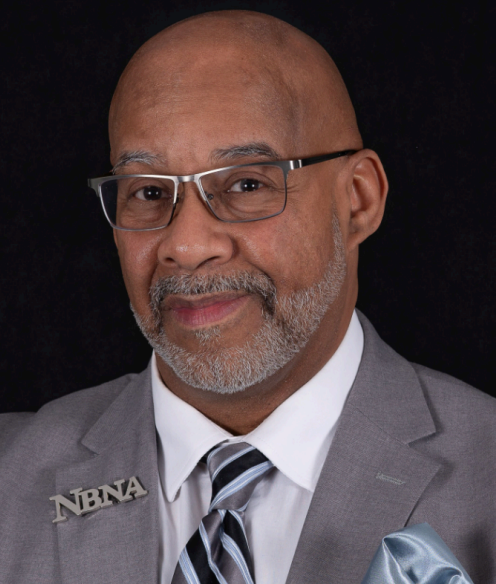
Dr. Fields is a Research Professor and the inaugural Associate Dean for Equity and Inclusion in the Ross and Carol Nese College of Nursing at Penn State University. He is also the founder and CEO of “The S.D.F Group, LLC”, which is a health innovation consulting company. He has over 30 years of experience in the health sector as an educator, researcher, clinician, administrator, consultant, health policy specialist, and entrepreneur / business owner. Dr. Fields is a well-known and respected HIV/AIDS prevention research scientist with a significant focus on young men of color. He is an Advanced AIDS Certified Registered Nurse and a Board-Certified Family Nurse Practitioner. He worked for over a decade as a primary care provider in a federally qualified health center with historically underserved disenfranchised populations. He is a lifetime member of the National Black Nurses Association, Inc., (NBNA) and currently serves as the organization’s 14th National President. He was the first ever male Registered Nurse selected for the Robert Wood Johnson Foundation Health Policy Fellowship Program in which he served as a policy adviser to then Senator Barbara Mikulski (D-MD) on the Senate HELP committee during the historic healthcare reform debates and passage of the Affordable Care Act. Dr. Fields is a fellow of the American Academy of Nursing, the American Association of Nurse Practitioners, the National Academies of Practice, and the Academy of Diversity Leaders in Nursing. He is the former dean of the Mervyn M. Dymally School of Nursing at Charles R. Drew University of Medicine and Science, as well as the former dean of the school of Health Professions at New York Institute of Technology. He has held other academic and administrative positions at Binghamton University, University of Rochester, Florida International University, and Long Island University-Brooklyn. Dr. Fields received his Ph.D., in Nursing Science from the University of Pennsylvania, his M.S., in Family Nursing and B.S., in Nursing from Binghamton University. He completed his post-doctoral work in the Center for AIDS Prevention Studies at the University of California San Francisco.
KiTani Parker Lemieux
Bio:
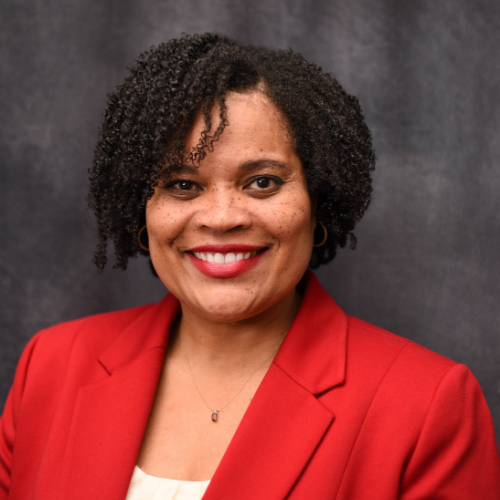
KiTani Parker Lemieux, PhD, is a cancer biologist who has studied metastatic breast and prostate cancer for nearly twenty years. As a scientist, her interest is to better understand metastatic breast cancer in African American women. She has published in the field and is funded by federal and state entities to conduct her work with the overall goal of reducing the burden of breast disease in minority populations.
Dr. Lemieux is an Associate Professor in the College of Pharmacy at the Xavier University of Louisiana. She earned her BA from Fisk University and her doctorate in Cellular and Molecular Biology from Clark Atlanta, trained as a Postdoctoral Fellow in the Stanley Scott Cancer Center at LSUHSC in translational medicine, and was a Fellow at Woods Hole in Biomedical Informatics. She serves as a grant reviewer for several government and foundation agencies.
Munira Bangee
Vice President of SHC at NMQF
Bio:
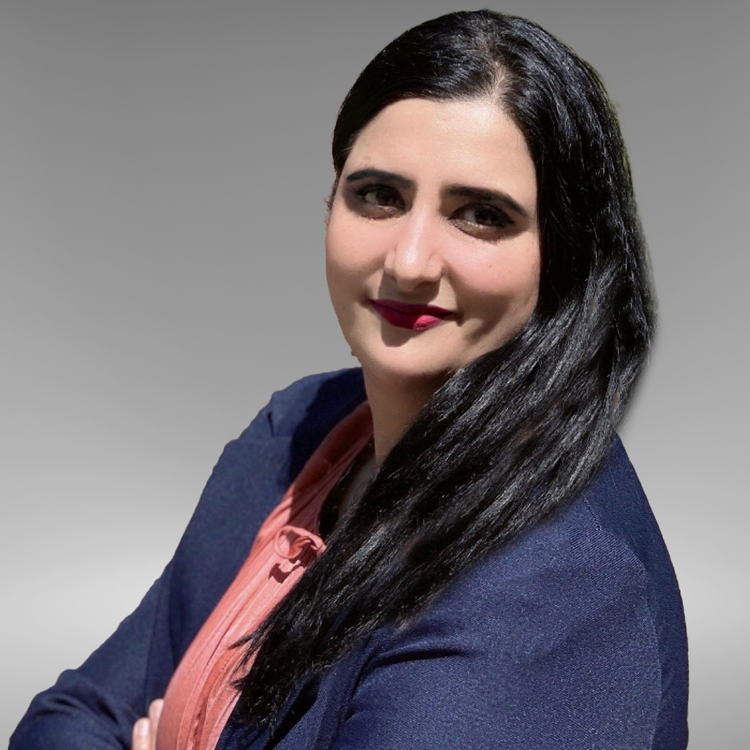
Munira Bangee is Vice President of the Center for Sustainable Health Care Quality and Equity (SHC) at the National Minority Quality Forum (NMQF), where she leads community and health system engagement across a multi-site portfolio of pharmaceutical and federal grant programs, working with partner networks including the Faith Health Alliance and a network of Health Ambassadors.
Her work centers on a simple conviction: data only advances policy when the community it describes helped shape it. Before joining NMQF, Munira served as Chief of Staff for Houston City Council At-Large 4, directing strategy across public health, housing, disaster resilience, and environmental justice. There, she directed the Fifth Ward Early Cancer Detection Program, an IRB-approved, multi-year initiative that enrolled over 200 residents in a state-recognized cancer cluster community. She led this work in close partnership with the National Minority Quality Forum, building a coalition that also included Harris Health and MD Anderson. Additionally. she led the five-year Fifth Ward Cancer Cluster Strategy, translating community-generated evidence into policy research, a three-day resident summit, an advocacy documentary, and sustained pressure for institutional response.
Munira pairs that ground-level credibility with technical fluency. She works directly in geospatial analysis, data visualization, and analytics (SQL, Python, R), and holds a professional certificate in Strategic Artificial Intelligence from Houston Christian University alongside credentials from Stanford and Google. She designs interactive dashboards that map community data, turning raw disparities into evidence decision-makers can act upon.
She holds an MSc in Instructional Design and Technology and a BA in English Language and Literature. Her most recent honors include a Community Service Award from Harris County Precinct 4 and a Community Contributions Award from RIVAH Houston.
Pedro D. Martinez
Bio:
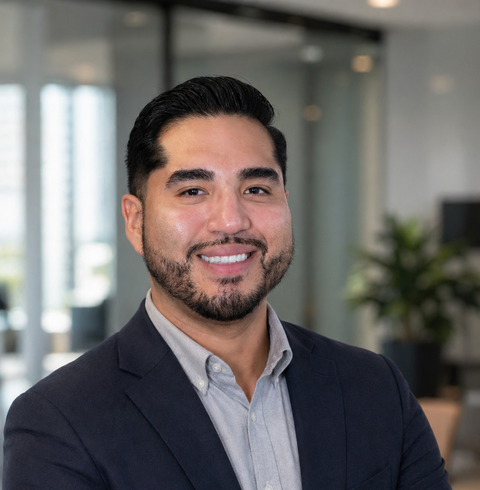
Pedro D. Martinez, MPH, is Director of Health at UnidosUS, the nation's largest Latino civil rights and advocacy organization. He co-leads the organization's national healthcare coverage and affordability strategy alongside UnidosUS's VP of Health and its Health Policy team, and leads the design of community-centered systems to change models for Latino communities nationwide. Pedro led the national implementation of UnidosUS's Esperanza Hope for All (EHFA) vaccine equity initiative, a five-year, CDC-funded program spanning 33 community organizations across 14 states and Puerto Rico. The initiative trained nearly 5,000 promotores de salud and community health workers — expanding workforce pathways into public health — while delivering more than 731,000 vaccinations through trusted community settings. Pedro convened federal, state, and community leaders, including officials from the White House Office of Pandemic Preparedness and Response Policy, to translate the program's lessons into a lasting model for community-led public health. Pedro also contributes policy expertise to federal legislative efforts that strengthen vaccine access and coverage protections for underserved communities. Earlier in his career, he served in progressively senior scientific roles at the Centers for Disease Control and Prevention, leading national surveillance initiatives in overdose and suicide prevention. Pedro holds a Master of Public Health in Research Epidemiology from Loma Linda University and is bilingual in English and Spanish. He serves on the Board of Directors of the Organization for Latino Health Advocacy (OHLA), and his work centers on building the community trust, research infrastructure, and policy pathways needed to close health equity gaps at scale.
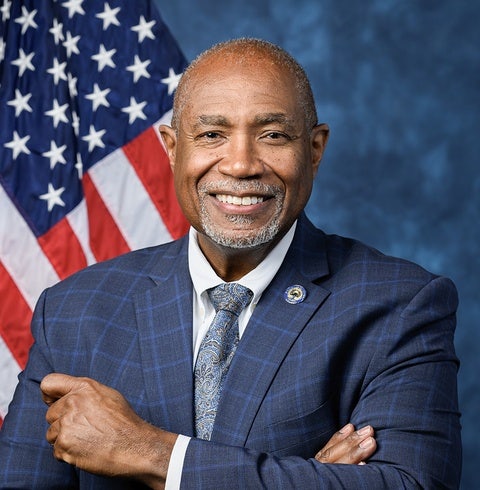
Herb Conaway Jr.
Bio:
Herb Conaway Jr., M.D. serves as the U.S. Representative for New Jersey's 3rd Congressional District. Elected to Congress in 2024, he brings decades of experience in medicine, military service, and public policy to his work on behalf of New Jersey families.
A physician, attorney, and veteran, Congressman Conaway earned a bachelor's degree from Princeton University, a Doctor of Medicine from Thomas Jefferson University, and a Juris Doctor from Rutgers Law School. He served as a Captain in the U.S. Air Force Medical Corps and practiced internal medicine before entering elected office.
Prior to serving in Congress, Dr. Conaway represented New Jersey's 7th Legislative District in the State Assembly for more than 25 years. During his tenure, he chaired the Assembly Health Committee and held leadership positions including Deputy Speaker and Majority Whip, championing legislation focused on healthcare access, education, public health, veterans' services, and economic opportunity.
In Congress, Dr. Conaway serves on the House Armed Services, Small Business, and Veterans' Affairs Committees, where he continues to advocate for healthcare innovation, public health, military families, veterans, and policies that improve the well-being of communities across New Jersey and the nation.
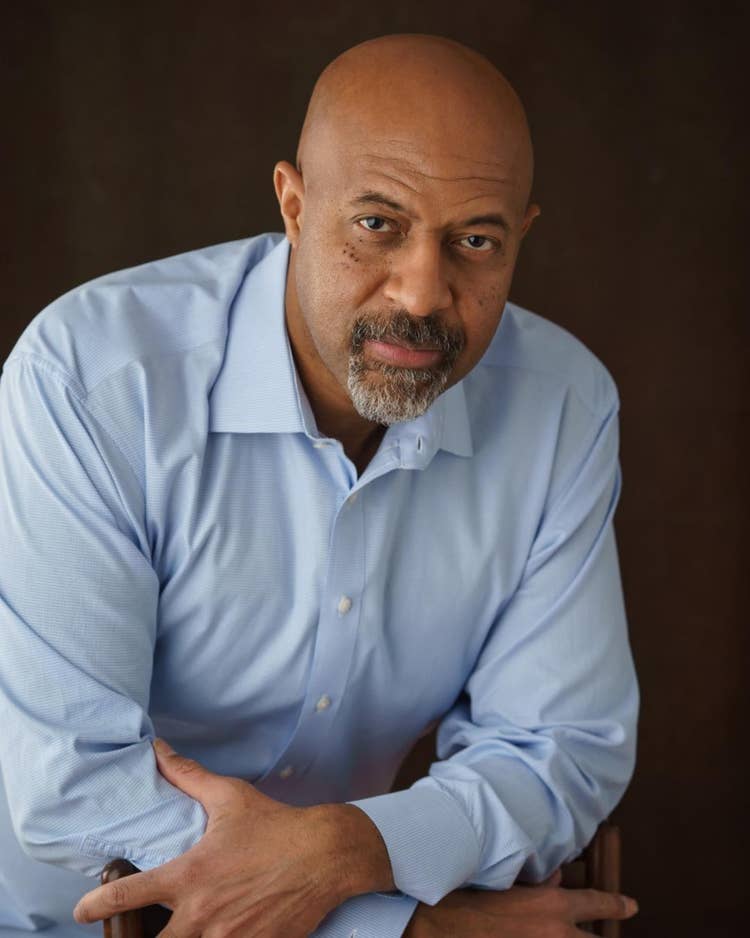
Roy L. Austin, Jr.
Bio:
Roy L. Austin, Jr. is the Inaugural Director of the Howard University School of Law’s Artificial Intelligence Initiative. Previously, he spent four years as Meta's Vice President of Civil Rights and Deputy General Counsel, where he led the company's civil rights strategy and compliance efforts.
Before joining Meta, Austin was a partner with Harris, Wiltshire & Grannis LLP and McDermott Will & Emery, focusing on criminal defense, civil litigation, and civil rights cases. His extensive government service includes serving as a trial attorney with the Criminal Section of the U.S. Justice Department's Civil Rights Division, where he investigated and prosecuted hate crime and police brutality cases, and as an Assistant U.S. Attorney in DC, where he focused on sexual assault, homicide, human trafficking, fraud and public corruption prosecutions. Austin has tried thirty jury trials.
As Deputy Assistant Attorney General in the Civil Rights Division, Austin supervised the Criminal Section and the Special Litigation Section's law enforcement portfolio. He also served as Deputy Assistant to the President in the White House Domestic Policy Council's Office of Urban Affairs, Justice and Opportunity. In this role, he co-authored a report on Big Data and Civil Rights, worked with the President's Task Force on 21st Century Policing, helped develop the Police Data Initiative, worked on the expansion of reentry assistance, and served as a member of President Obama's My Brother's Keeper Task Force.
Austin received his B.A. from Yale University and his J.D. from the University of Chicago.
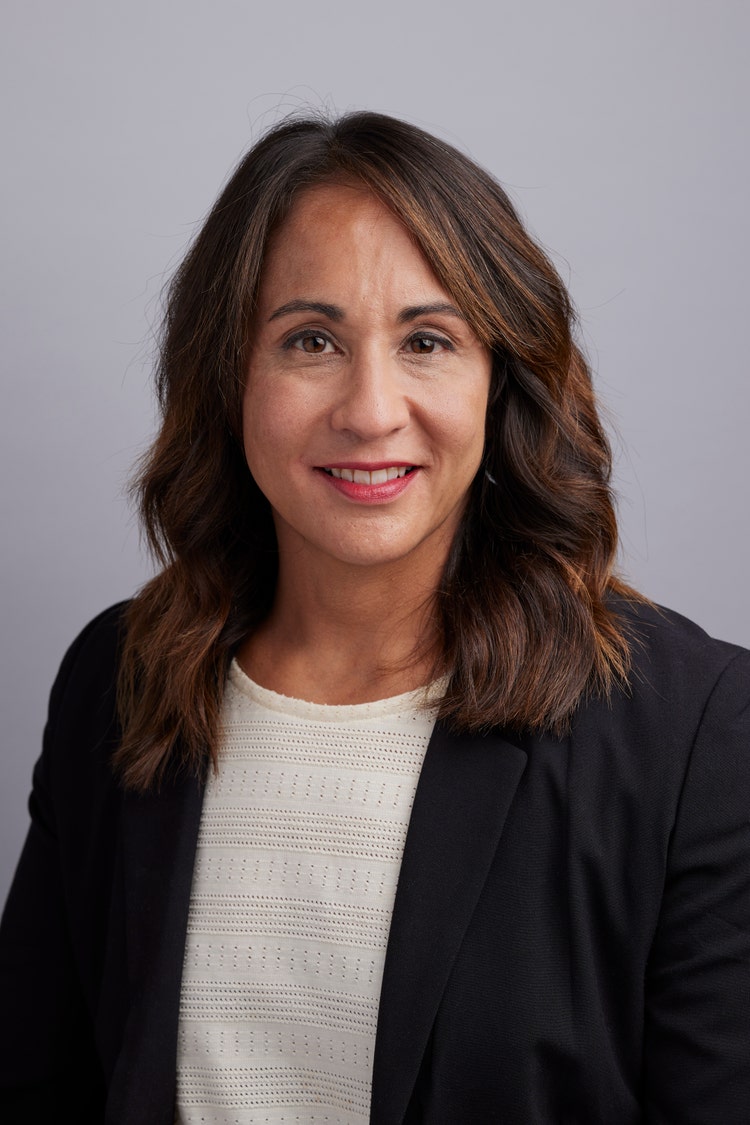
Samantha Artiga
Bio:
Samantha Artiga is senior vice president and director of the Racial Equity and Health Policy Program, which focuses on how racism and discrimination and social and economic inequities affect health. The program provides timely and reliable data, information and policy analysis on health and health care disparities affecting people of color, immigrants, and other underserved groups, as well as efforts to advance racial equity in health. Artiga has also conducted extensive work related to the health and health care needs of low-income populations and previously served as associate director of KFF’s Program on Medicaid and the Uninsured. Artiga holds a master’s degree in health policy from George Washington University
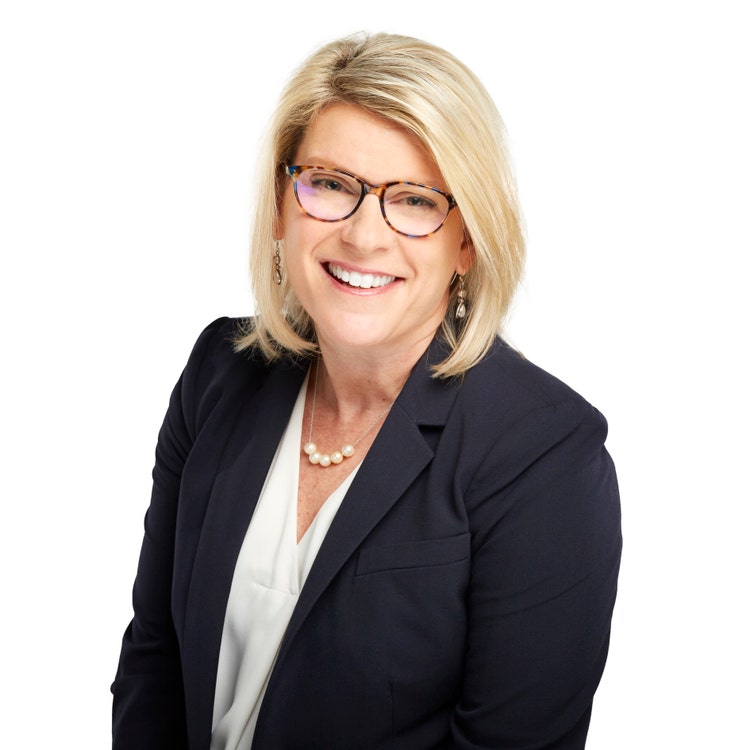
Sue Peschin
Bio:
Sue Peschin, MHS, is President and CEO of the Alliance for Aging Research, the nation's leading nonprofit organization dedicated to advancing healthy aging through scientific innovation, public policy, and equitable access to care. Since assuming leadership in 2012, she has spearheaded efforts to increase federal investment in aging research, expand patient engagement through the Alliance's Talk NERDY (Nurturing Engagement in Research and Development with You) network, and advocate for policies that improve Medicare affordability and access.
A nationally recognized leader on healthy aging, health equity, and caregiving, Sue is a regular Forbes contributor, sought-after speaker, and widely published author whose work has appeared in peer-reviewed journals and major national media outlets.
With more than three decades of experience in health policy and nonprofit leadership, Sue has held senior roles at the Alzheimer's Foundation of America, Consumer Federation of America, Hadassah, and the Violence Policy Center. Her professional expertise is complemented by personal experience as the primary caregiver for her mother, who lives with multiple chronic conditions, including Alzheimer's disease, giving her a unique perspective on the challenges facing patients and families.
Sue serves on the Boards of Directors of the Association of Black Cardiologists, the National Health Council, the U.S. Pharmacopeia (USP), and Voices of Alzheimer's. She is also a member of the Science Advisory Board for the UCSF-Stanford Center of Excellence in Regulatory Science and Innovation and the Community Advisory Board of the University of Maryland Claude D. Pepper Older Americans Independence Center.
Sue holds a Master of Health Science degree from the Johns Hopkins Bloomberg School of Public Health and a bachelor's degree in sociology from Brandeis University.
She lives in Rockville, Maryland, with her husband, Steven, and their sons, Max and Nathan.
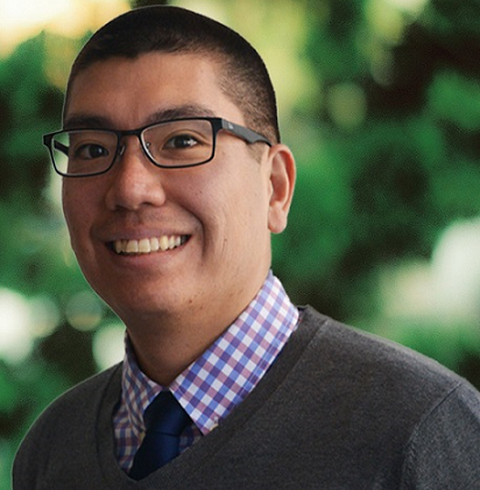
Dr. Victor Wu
Bio:
Victor Wu, MD, serves as the Chief Medical Officer for the TN Division of TennCare, the state’s Medicaid Agency. At TennCare, Dr. Wu leads the medical office to ensure quality and cost-effective delivery of medical, pharmacy and dental services to its members. He also supports payment reform and practice transformation initiatives across the agency. Prior to joining TennCare, Victor worked at Evolent Health as Vice President for Clinical Transformation and Medicaid Strategies where he led provider groups and health systems to implement value-based population health redesign.
In 2013, Victor served as a White House Fellow to the Secretary of Health and Human Services working on ACA implementation, delivery system reform, and addressing social and societal factors that impact health. Victor is a board-certified Internist who completed his Internal Medicine Primary Care Residency, Chief Medical Residency, and practiced as an attending physician at Emory University and Grady Memorial Hospital. He still practices clinically as an internist in the Veteran’s Affairs Health System. He is originally from Tennessee and completed his undergraduate studies at Vanderbilt University
Vincent Guilamo-Ramos
Ph.D., RN, Leona B. Carpenter Chair in Health Equity and Social Determinants of Health, Johns Hopkins School of Nursing
Bio:
Vincent Guilamo-Ramos holds the Leona B. Carpenter Chair in Health Equity and Social Determinants of Health at the Johns Hopkins University School of Nursing. His work advances evidence-based solutions across the sectors that shape health, positioning the elimination of health inequities as a practical and essential strategy for repairing the broken U.S. health system. He is the founding Director of the Center for Latino Adolescent and Family Health (CLAFH), the inaugural Executive Director of the Institute for Policy Solutions, and a nurse practitioner dually licensed in adult health (ANP-BC) and psychiatric-mental health nursing (PMHNP-BC).
CLAFH is a nationally recognized research and action center that partners with Latino communities to develop, evaluate, and scale family-based interventions and nurse-led models of care. Current priorities include mobilizing action to end the Latino HIV Cascading Disaster and correcting false narratives that threaten Latino health. Most recently, Dr. Guilamo-Ramos lead-authored the 2026 New England Journal of Medicine article "Correcting False Narratives-Indispensable Latino Contributions to U.S. Population Health," which documents Latinos' essential contributions to the country and explains how false narratives and policies harm not only Latino communities but the health and prosperity of the nation.
A nationally recognized expert in social determinants of health and adolescent sexual and reproductive health, Dr. Guilamo-Ramos has received more than two decades of research support from the NIH, CDC, SAMHSA, and philanthropic organizations. He has published extensively in leading journals, including the New England Journal of Medicine, The BMJ, The Lancet, JAMA Pediatrics, and the American Journal of Public Health, and his work has been featured by CNN, The New York Times, NPR, and The Washington Post. He previously served as co-chair of the Presidential Advisory Council on HIV/AIDS and on the National Academies committee that produced Unequal Treatment Revisited. He serves on the Board of UnidosUS, the nation's largest Latino civil rights organization.
Dr. Eric D. Griggs, M.D.
Community Medicine Physician, Health Educator & AI Health Innovation Strategist
Bio:
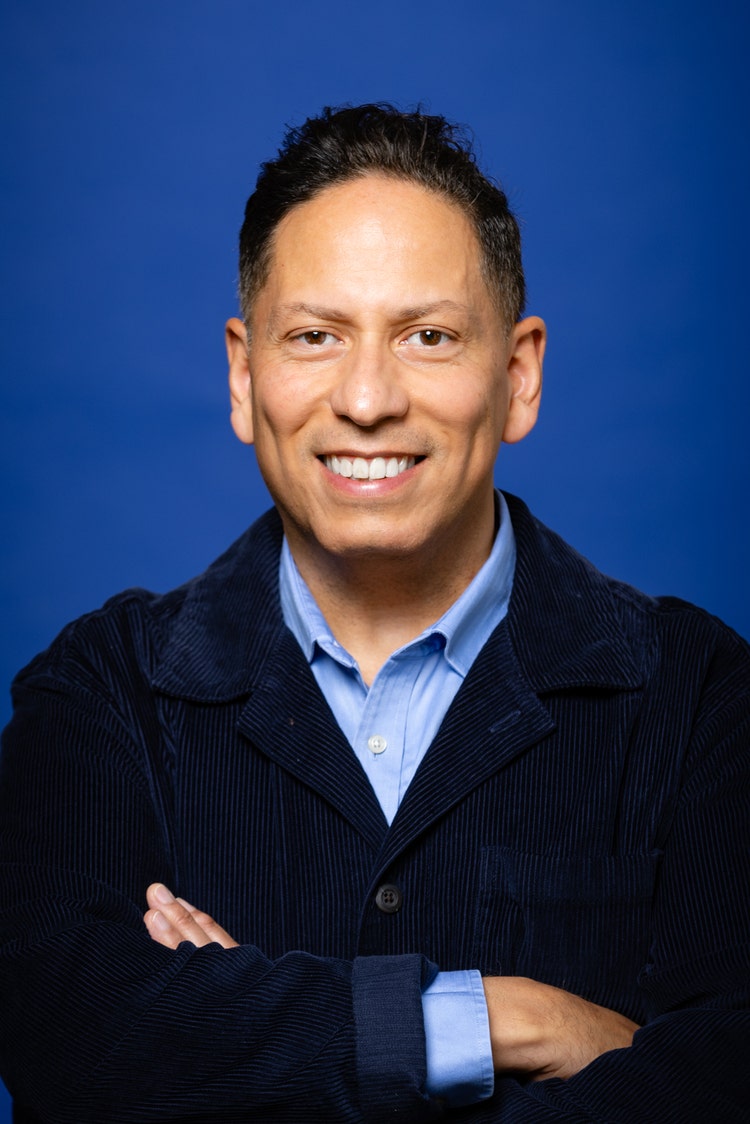
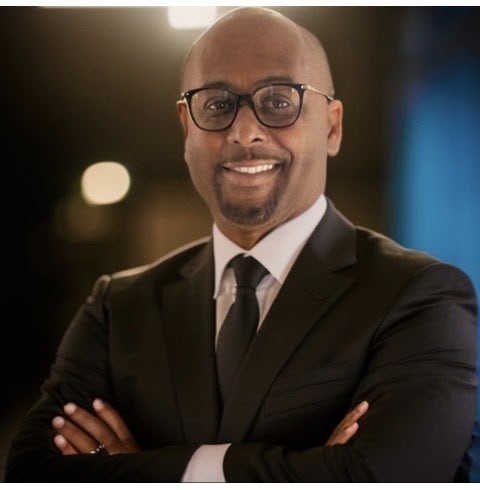
Dr. Eric D. Griggs, M.D. ("Doc Griggs") is a New Orleans physician, health communicator, and founder and CEO of Doc Griggs Enterprises, LLC. A third-generation physician, he holds faculty appointments at LSU School of Medicine and Xavier University College of Pharmacy, and serves as Global Vice-Chair of the Health & Wellness Committee for 100 Black Men of America and Chief Health Officer at the Global Institute of Integrated Health in London. He is also a certified leader in emerging health technology, holding a Stanford AI in Healthcare specialization, Vanderbilt Generative AI leadership specializations, and IBM AI for Executives certification, among 50+ professional certifications.
For over 13 years, Dr. Griggs has been the trusted medical voice of WVUE FOX 8 New Orleans, translating complex health information into guidance his community can actually use. He co-hosted the NoiseFilter COVID podcast, now archived by the Library of Congress, and led a national HHS COVID education campaign that reached over 1.1 billion impressions — work that earned him the HHS Inaugural Stay Well Health Care Hero Award. The radio streaming of his "Get Checked. Get Fit. Get Moving." show is likewise archived by the Library of Congress. He serves as the Official Community Medicine/Community Health Doctor for the Bayou Classic, where his annual "Doc Griggs' 2X Around the Dome" Family Fitness Fun Walk has grown into the full Bayou Classic Wellness Yard. He was designated International Health and Wellness Ambassador for Louisiana's 2nd Congressional District by Congressional Resolution under Congressman Troy A. Carter, sits on the board of STEM NOLA, and was named the 2026 recipient of the C.D. Taylor Award, given by the Tulane Medical Alumni Association for outstanding contributions to the medical health of one's community.
Dr. Griggs is also the author of I Said, I'm Gonna Be A Doctor: The Adventures of Jamiale and Poppy, a children's book inspiring the next generation toward careers in medicine. Through his platform "Get Checked. Get Fit. Get Moving.®," he is redefining what community health leadership looks like — turning a mic, a camera, a medical degree, and now a pen, into a movement.
Dr. Freda Lewis-Hall
Clinician, Educator, Researcher and Life Sciences Leader
Bio:
Freda Lewis-Hall, MD, DFAPA, MFPM, is a physician, researcher, and healthcare leader who has spent more than 40 years advancing patient care, medical innovation, and health equity. Widely recognized for her leadership in the biopharmaceutical and life sciences industries, she has championed patient engagement, inclusion in research, health education, and the integration of the patient voice into healthcare decision-making.
Most recently, Dr. Lewis-Hall served for more than a decade on Pfizer's executive leadership team as Executive Vice President and Chief Medical Officer, and later as Chief Patient Officer. In these roles, she helped ensure the safe, effective, and appropriate use of medicines and vaccines while advancing a stronger focus on patient-centered healthcare. Prior to Pfizer, she held senior leadership positions at Vertex Pharmaceuticals, Bristol-Myers Squibb, Pharmacia Corporation, and Eli Lilly and Company.
Before entering industry, Dr. Lewis-Hall served as Vice Chairperson and Associate Professor of Psychiatry at Howard University College of Medicine and advised the National Institute of Mental Health. A trained psychiatrist, she began her career providing frontline patient care and became known for her work addressing mental health and healthcare disparities.
Dr. Lewis-Hall has also contributed extensively to public service and nonprofit leadership. Appointed by the Obama Administration, she completed a decade of service on the inaugural Board of Governors of the Patient-Centered Outcomes Research Institute (PCORI) and chaired the Cures Acceleration Network Review Board for the National Center for Advancing Translational Sciences at the National Institutes of Health.
Today, she serves on several nonprofit and corporate boards, including the Foundation for the National Institutes of Health, FasterCures, the Davos Alzheimer's Collaborative, Focused Ultrasound Foundation, Pyxis Oncology, and CDT Equity. A prominent health educator and media contributor, she has appeared on national television and radio programs and has been recognized among the most influential women and executives in corporate America. Dr. Lewis-Hall earned her degrees from Johns Hopkins University and Howard University College of Medicine
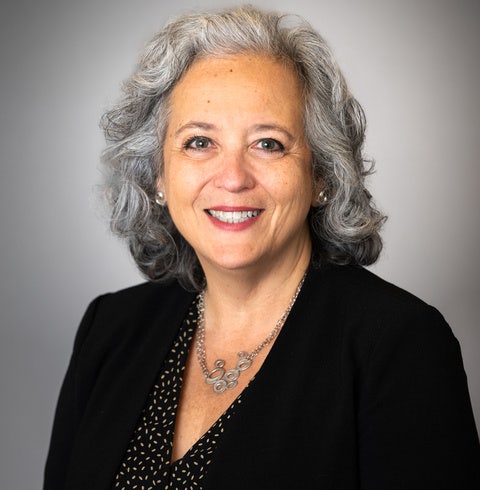
Dr. Helen Burstin
Bio:
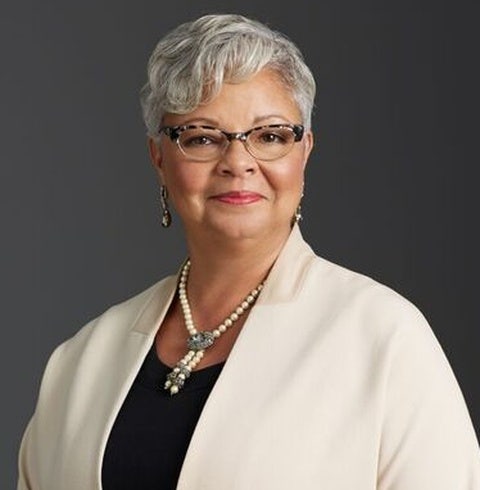
Helen Burstin, MD, MPH, MACP is the Chief Executive Officer of the Council of Medical Specialty Societies (CMSS), a coalition of more than 50 specialty societies representing nearly one million physicians. In this role, Dr. Burstin advances the expertise and collective voice of medical specialty societies to support physicians and the patients they serve. Before joining CMSS, Dr. Burstin served as Chief Scientific Officer of the National Quality Forum (NQF). She previously led the Center for Primary Care, Prevention, and Clinical Partnerships at the Agency for Healthcare Research and Quality (AHRQ). Earlier in her career, she was an Assistant Professor at Harvard Medical School and Director of Quality Measurement at Brigham and Women’s Hospital. An internationally recognized leader in healthcare quality, safety, equity, and measurement, Dr. Burstin has authored more than 100 articles and book chapters. She serves on the boards of the American Society of Hematology Research Collaborative and the Coalition for Trust in Health and Science, and on the Oversight Committee of the American College of Cardiology’s National Cardiovascular Data Registry (NCDR). She also serves as Co-Chair of the National Academy of Medicine Clinicians’ Forum on AI in Health & Medicine. Dr. Burstin earned her medical degree from the State University of New York Upstate College of Medicine and a Master of Public Health from the Harvard School of Public Health. She completed residency training in primary care internal medicine at Boston City Hospital and a fellowship in General Internal Medicine and Health Services Research at Brigham and Women’s Hospital and Harvard Medical School. She is a volunteer preceptor and Clinical Professor of Medicine at George Washington University School of Medicine and Health Sciences. Dr. Burstin was awarded Mastership in the American College of Physicians and is a member of the National Academy of Medicine, where she serves as Vice-Chair of the Administration of Health Services, Education, and Research Section
Jasmine Akuffo
Bio:
Ms. Akuffo is a creative, data-driven health equity leader with more than a decade of experience advancing public health programs, research, and community-centered initiatives. Most recently, she served as Lead Analyst for Health Equity and Social Justice (HESJ) at the National Association of City and County Health Officials (NACCHO), where she led strategic efforts to build local health department capacity and advance health equity across the public health sector.
At NACCHO, Ms. Akuffo spearheaded the modernization of Roots of Health Inequity, the organization's flagship health equity learning platform. Under her leadership, the program launched 10 new courses, attracted more than 3,000 registered users within its first three months, and earned a National Anthem Webby Award. She also led NACCHO's Health Equity and Drug Overdose initiative and developed the Health Equity Action Spectrum for the updated Mobilizing Action through Planning and Partnerships (MAPP 2.0) framework.
A skilled facilitator and relationship builder, Ms. Akuffo has extensive experience convening diverse stakeholders to address complex public health challenges. During her time with the Public Health Institute of Western Massachusetts, she led a health impact assessment examining the effects of criminal offender record information (CORI) checks on older adults seeking affordable housing. She subsequently established and facilitated a regional advisory council that guided the integration of health equity principles into eight community health needs assessments across western Massachusetts.
Ms. Akuffo began her public health career in HIV prevention as Data Manager for Project E-WORTH, an NIH-funded intervention designed to reduce HIV and sexually transmitted infections among African American women.
Originally from the Chicago area, Ms. Akuffo earned a Bachelor's degree in African-American Studies and Sociology from Columbia University and a Master of Public Health from the Harvard T.H. Chan School of Public Health. She is widely recognized for translating data into action and fostering cross-sector collaboration to advance equitable health outcomes

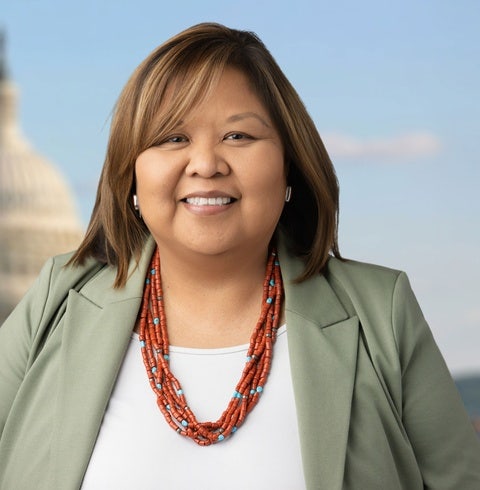
Kris(ten) Bitsuie
Bio:
Kris(ten) Bitsuie is an enrolled Tribal citizen of the Diné (Navajo Nation). She serves as the Tribal Health Care Outreach and Education Policy Manager for the National Indian Health Board (NIHB) and has been with the organization for more than ten years.
Ms. Bitsuie is well known across Indian Country for providing high-quality technical assistance, education, and training on the Affordable Care Act, Tribal Self-Governance, Federal Indian Health Policy, Indian Health Care Improvement Act, Medicare, Medicaid, the Children’s Health Insurance Program (CHIP), and changes within the Indian health care system. She serves as a national advocate for Indian Country, emphasizing the importance of outreach and education at the community level to strengthen the Indian health system and connect Tribal citizens to better care.
Ms. Bitsuie has 28 years of experience working with Indian Health Service, Tribal, and Urban Indian (I/T/U) programs, although her connection to the Indian health care system extends much further. Raised in a remote area of the Navajo Nation, she grew up speaking Diné and has relied on both traditional healing practices and the I/T/U health care system throughout her life.
Ms. Bitsuie’s personal warmth, practical approach, and deep expertise allow her to create an accessible and engaging learning environment. She has a unique ability to break down complex technical issues and concepts into practical, digestible, and useful information. As a result, the trainings and technical assistance she provides are valuable to I/T/U staff across all levels of experience
Melissa Bishop-Murphy JD
Bio:
Melissa is Senior Director of National Government Relations and Multicultural Affairs for Pfizer, Inc. Melissa has twenty-eight years of lobbying and alliance development experience on the state and federal levels.
Melissa currently lobbies in Georgia, South Carolina, North Carolina, and Puerto Rico. Additionally, Melissa works nationally to build multicultural coalitions to advocate for greater access to healthcare and pharmaceuticals. She co-chairs Pfizer’s Multicultural Health Equity Collective, “MHEC”. The MHEC is a cooperative of Pfizer colleagues and US-based organizations focused on achieving health equity across ethnic groups and other underrepresented communities facing significant health disparities.
Prior to joining Pfizer in 1998, Melissa worked as General Counsel for the Georgia Department of Medical Assistance, a multi-billion-dollar Medicaid agency. As General Counsel, she concentrated on health care regulation and compliance, program evaluation, and the financing of various health care delivery systems for Medicaid recipients.
An alumnus of Stillman College in Tuscaloosa, Alabama, Melissa received her B.A. degree in English/Pre-Law, summa cum laude. She received her J.D. degree from Georgetown University Law Center in Washington, D.C. and her MBA from the University of Georgia. Melissa serves on the Board of Trustees of Stillman College.
Some awards/honors Melissa has received include:
- 2022 Healthcare Businesswomen's Association (HBA) Rising Star
- 2021 Pfizer Global Inclusive Leader Award
- 2021 NOBEL Corporate Champion Award
- DeKalb County Board of Commissioners’ Certificate for Outstanding Service and Lasting Contribution
- 2018 – Honorary Member, National Black Nurses Association – one of only two people to ever receive this honor
- 2014 Corporate Leadership Award – National Hispanic Caucus of State Legislators
- 2011 – Named one of Georgia’s Most Powerful and Influential Attorney, Women Looking Ahead Magazine
- Georgia State Medical Association Award – 2018
Melissa is committed to health care for all and is proud of her service to the public. According to Melissa, “Riches and wealth are short- term; only through service do we find significance for the long term.”

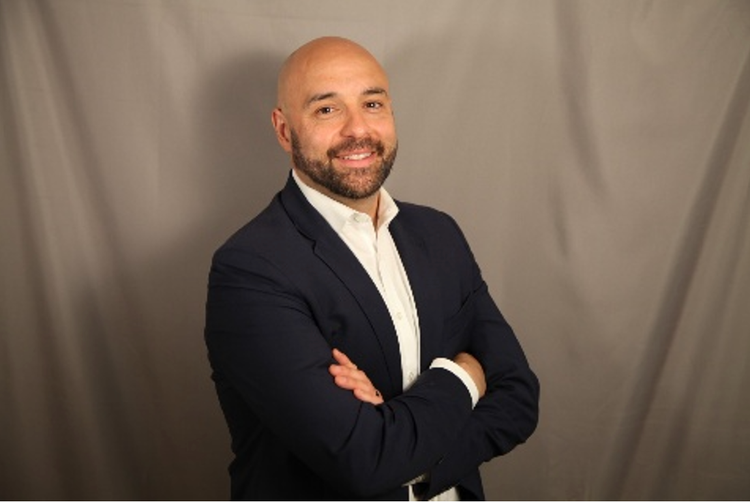
Rodrigo Stein Morales
Bio:
Rodrigo Stein Morales, MPH, MSc, is the Director of Health Equity and Strategic Partnerships at La Clínica del Pueblo, a federally qualified health center serving the greater Washington, DC, region. Rodrigo has more than a decade of experience advancing health equity through policy advocacy, community partnerships, health systems innovation, and community-based participatory research. His work focuses on improving access to care for underserved communities by integrating community voices into program design, organizational strategy, and public policy. He has delivered trainings for the Centers for Disease Control and Prevention (CDC), DC Health, the National Association of Community Health Centers, and the National Center for Medical-Legal Partnerships. Rodrigo holds a Master of Public Health from the University of Minnesota and a Master of Science from Loughborough University
Dr. Ronald Wyatt
Bio:
Dr. Ronald Wyatt is a nationally recognized leader in patient safety, healthcare quality, diagnostic excellence, and health equity. Over the course of a distinguished career spanning clinical practice, healthcare administration, and executive leadership, he has led transformative quality and safety initiatives across major healthcare organizations in the United States and internationally. Dr. Wyatt currently serves as a Physician Surveyor for The Joint Commission and is the Founder and President of Achieving Health Equity, LLC, where he advises organizations on strategies to improve healthcare quality, patient safety, and equitable care delivery. He is also a Senior Fellow at the Institute for Healthcare Improvement (IHI), supporting efforts to advance healthcare improvement and eliminate disparities in health outcomes. A pioneer in healthcare quality leadership, Dr. Wyatt served as the inaugural Patient Safety Officer at The Joint Commission and the first Chief Quality Officer at Hamad Medical Corporation in Qatar. Throughout his career, he has held numerous executive positions, including Chief Science and Chief Medical Officer for the Society to Improve Diagnosis in Medicine (SIDM), Vice President and Patient Safety Officer at MCIC Vermont, and Chief Quality Officer for Cook County Health. Dr. Wyatt has been widely recognized for his contributions to advancing patient safety and health equity. Among his many accomplishments, he led the development of The Joint Commission's Equity National Patient Safety Goals and was named one of Becker's Healthcare's Top 50 Patient Safety Experts in the United States in 2013, 2014, and 2016. He is also a recipient of the United States Army Commendation Medal for service during Operation Desert Storm. A respected author and speaker, Dr. Wyatt has contributed to influential publications addressing racial bias in healthcare, patient safety, quality improvement, and health equity. He earned his Doctor of Medicine and Master of Science in Health Administration from the University of Alabama at Birmingham and completed his residency training at Saint Louis University School of Medicine, where he served as the institution's first African American Chief Resident in Internal Medicine.
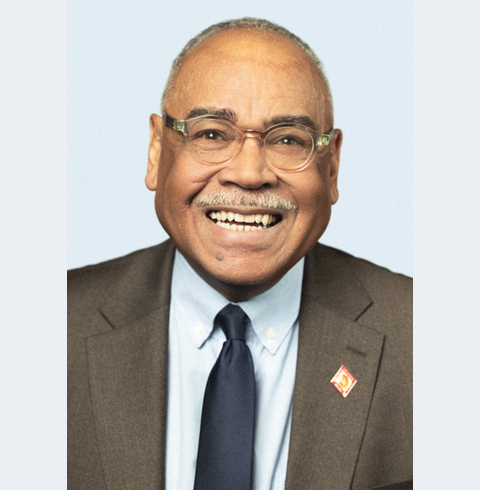
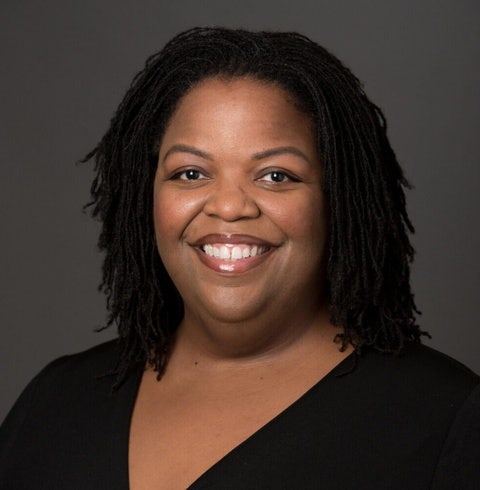
Tekisha Dwan Everette
EXECUTIVE VICE PRESIDENT, Ph.D., MPA, MPH, CPH
Bio:
Tekisha Everette is TFAH’s Executive Vice President. In this role, she works in partnership with TFAH’s President and CEO to chart and implement the organization’s strategic direction and priorities, provides counsel on current and emerging policy issues, and engages with key organizations, policymakers, and other partners to advance policy priorities to improve public health and promote equity.
A successful executive leader and public policy strategist with a passion for health justice, Everette’s career spans service in the non-profit, state, and private sectors. Most recently, she served as the inaugural Executive Director of Health Equity Solutions, a statewide non-profit dedicated to advancing health equity through policy and advocacy in Connecticut. Prior to Health Equity Solutions, Everette was the Managing Director of Federal Government Affairs with the American Diabetes Association, where she provided strategic leadership on policy and advocacy initiatives with the White House, federal agencies, and Congress. Everette also worked as a government relations consultant with Drinker, Biddle, and Reath, LLC, where she represented the interests of several non-profit healthcare organizations on issues such as health reform, Medicare, Medicaid, and federal appropriations. Everette has also worked for the Service Employees International Union and the State of Maryland. Recognized for her achievements in health policy and advocacy, Everette is an alumna of the National Urban Fellows America’s Leaders of Change program and is a member of the Association of Black Sociologists.
Everette earned a doctorate in Sociology from American University with a concentration in race, gender, and social justice as it relates to social policy. She received a Master of Public Administration from Virginia Tech and holds two Bachelor of Arts degrees in Political Science and Interdisciplinary Studies also from Virginia Tech. She completed a Master of Public Health from Yale University
Dr. Georges C. Benjamin
Bio:
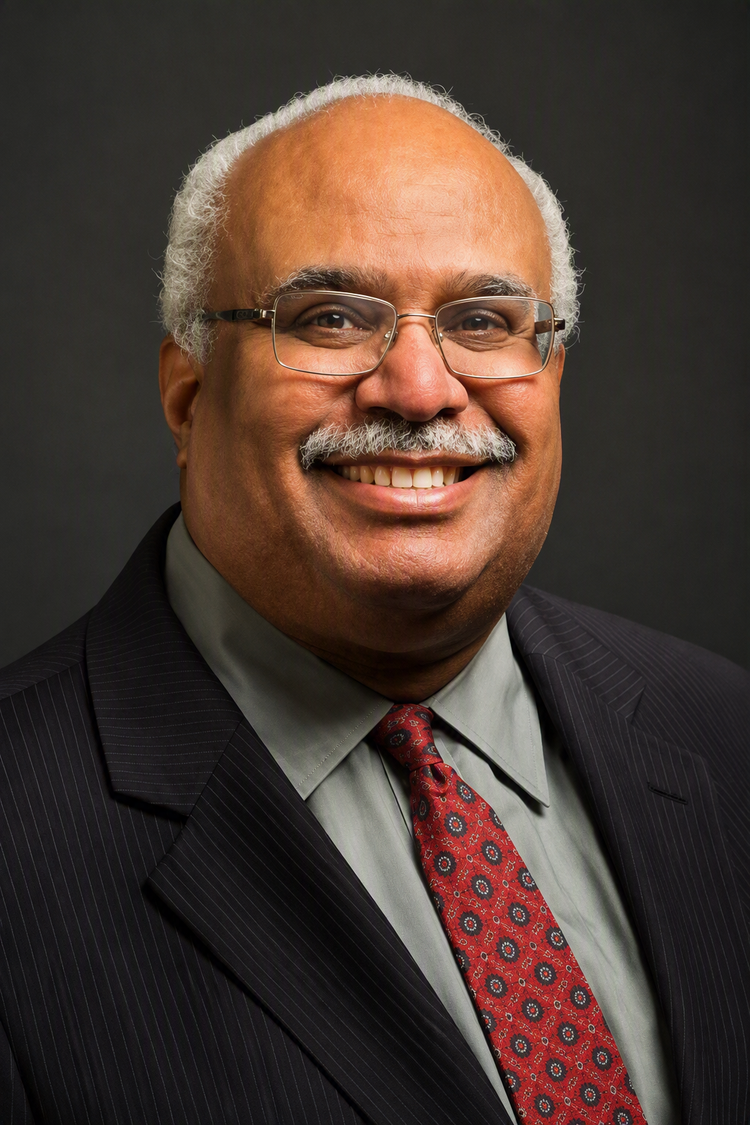
Georges C. Benjamin, MD, MACP, FNAPA, FACEP (emeritus), is a well-known health policy leader, practitioner, and administrator. He currently serves as the Chief Executive Officer of the American Public Health Association, the nation's oldest and largest organization of public health professionals. He is a former Secretary for Health for the state of Maryland where he ran the Department of Health and Mental Hygiene, a $4.5 billion agency. Dr. Benjamin is a graduate of the Illinois Institute of Technology and the University of Illinois College of Medicine. He is an elected member of the National Academy of Medicine.
Dr. Lydia Isaac
Bio:
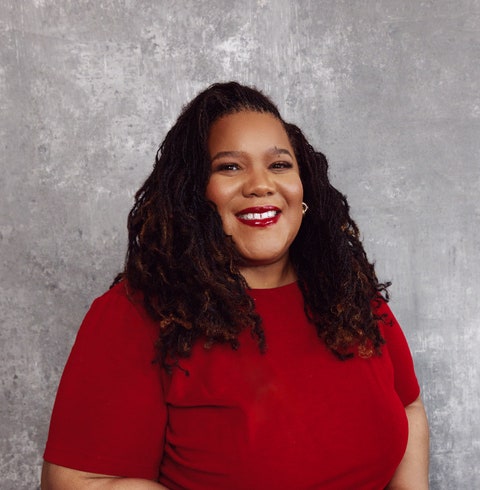
Lydia Isaac is Vice President for Health Equity and Policy at the National Urban League, where she leads the strategic vision and programmatic services for health. Dr. Isaac also holds a faculty appointment in the Department of Health Policy and Management at the Johns Hopkins Bloomberg School of Public Health.
Previously, Dr. Isaac served as Associate Research Professor and Executive Director of the Robert Wood Johnson Foundation-funded Health Policy Research Scholars Program at George Washington University, where she oversaw program operations and curriculum development. She also served as Director of Policy and Health Systems Analysis in the Office of Policy, Planning and Strategic Data at the New York City Department of Health and Mental Hygiene. Earlier in her career, she was Director of Quality Improvements and Grants for HIV Services at NYC Health + Hospitals.
Dr. Isaac has worked across local and state government, academia, and healthcare. She has taught courses on community health assessment and disparities in health. She earned a bachelor’s degree in Ecology and Evolutionary Biology from Princeton University, a Master of Science in Health and Social Behavior from the Harvard School of Public Health, and a doctorate in Health Policy and Management from the Johns Hopkins Bloomberg School of Public Health.
Dr. Isaac chairs the board of ChangeLab Solutions, a health law nonprofit, and serves on the board of APICHA, a Federally Qualified Health Center in New York City. She also served on the Centers for Medicare & Medicaid Services Advisory Panel on Outreach and Education from 2022 to 2025.
Dr. Isaac is passionate about advancing health equity by translating research into policy and practice, examining the mechanisms that drive racial and ethnic health disparities, and highlighting the role of social determinants of health and neighborhood environments in health promotion.
Dr. Giridhar Mallya
Executive Vice President Health Equity Initiatives and Community Engagement, Patient Advocate Foundation
Bio:
Giridhar Mallya, MD, MSHP, is a public health physician whose career spans government, philanthropy, and academia. His work leverages the power of public policy and community health interventions to shape the political, social, and economic determinants of health.
He currently serves as Senior Policy Officer for the Robert Wood Johnson Foundation where he leads a national initiative to defend racial equity, diversity, and inclusion, involving 20 organizations from various fields. He also directs cross-institution projects addressing complex policy challenges and serves as a spokesperson for RWJF with media and policymakers at all levels of government.
Over ten years at the Foundation, Dr. Mallya has designed and managed grants totaling $215 million, expanding RWJF’s policy footprint to issues such as housing justice, democracy, and tax policy while diversifying its strategies to include impact litigation, community organizing, and building policy infrastructure. He has also authored influential reports, regulatory comments, and briefs on a wide range of policy matters.
Dr. Mallya was previously the Director of Policy and Planning for the Philadelphia Department of Public Health where he led the Get Healthy Philly initiative, which leveraged policy change and multi-sectoral collaborations to reduce smoking and increase access to healthy foods while narrowing racial and socioeconomic disparities. This work was recognized by the Society of Behavioral Medicine and the Harvard University Ash Center for Democratic Governance.
Dr. Mallya is a board-certified family physician and adjunct professor of family medicine and community health at the University of Pennsylvania School of Medicine. He is a graduate of the Program in Liberal Medical Education at Brown University; completed his residency in Family and Community Medicine at Thomas Jefferson University Hospital; and was an RWJF Clinical Scholar at the University of Pennsylvania.
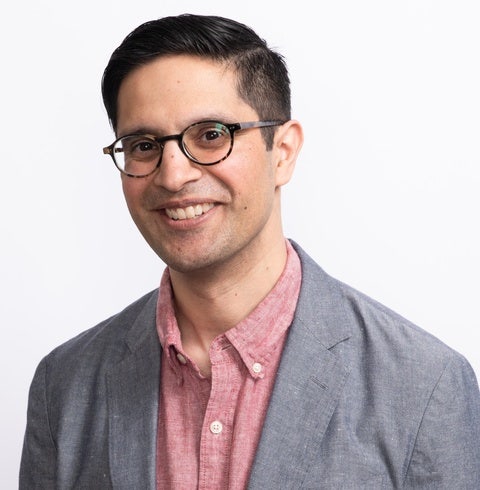

Darrell J. Gaskin
Bio:
Darrell J. Gaskin, PhD is the William C. and Nancy F. Richardson Professor in Health Policy and Director of the Hopkins Center for Health Disparities Solutions in the Department of Health Policy and Management at the Johns Hopkins Bloomberg School of Public Health. Dr. Gaskin is a health services researcher and public health economist. He is an internationally recognized expert in health and healthcare disparities. He seeks to identify and understand how contextual factors influence access to care, quality of care and health outcomes for minority, low socioeconomic status, and other vulnerable populations. His research develops and promulgates policies and practices that address the social determinants of health and promote equity in health and well-being. Dr. Gaskin is a member of the National Academy of Medicine and a research associate of the National Bureau of Economic Research. He earned his Ph.D. in public health economics from the Johns Hopkins University.
Emma Andrews
Vice President, Policy Public Affairs and Patient Advocacy, Pfizer
Bio:
Emma Andrews, Pharm.D. is Pfizer's Vice President, Policy, Public Affairs and Patient Advocacy. She and her team serve as the bridge between Pfizer's US commercial business and the policy environment, sitting at the intersection of policy, advocacy and health equity. Their focus is removing barriers to access so that Pfizer's medicines and vaccines get into the hands of all patients who need them. In addition, Emma works with internal and external stakeholders to advance patient focused programs across the enterprise and to deliver outcomes that matter to patients and those involved in their care.
Emma joined Pfizer in 1999 and has had multiple roles with increasing responsibility in Clinical Research, Operations, Strategic External Engagement and Medical Affairs. Her focus areas have spanned infectious diseases, neglected tropical diseases, malaria and she worked with multiple stakeholders to help improve HCP-Patient dialogue across multiple regions. Most recently, Emma was Pfizer’s Vice President, Global Patient Advocacy.
Emma completed her Doctor of Pharmacy, as well as her Bachelor of Pharmacy, at the Massachusetts College of Pharmacy and Health Science. She is motivated by Pfizer's common purpose: to bring breakthroughs to patients, regardless of where they are in the world. Her experience growing up in Uganda and Cote d'Ivoire, has shaped her commitment to reducing healthcare disparities, improving health literacy, and advancing health equity in all she does.
Heather Bagnall
Bio:
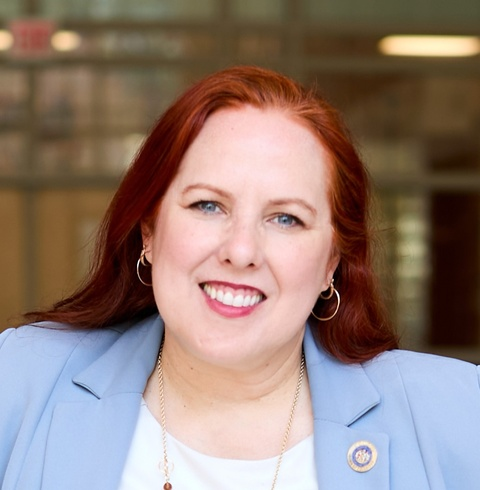
In 2018 candidate Heather Bagnall, a theatre maker, arts educator, non-profit administrator, Co-Founding Artistic Director, and award-winning playwright, made two campaign promises – to ensure District 33 became a relevant voice in Maryland, and to keep showing up for her constituents. Since her election Delegate Bagnall has served as Chair - AACo Delegation, Chair - Delegation Capital Budget and Public Health Subcommittees, Co-Chair - Crisis Bed Workgroup and the Self-Directed Services Workgroup, Legislative Liaison -Oral Health Task Force, the Commission on Public Health, the AHEAD model, the Assisted Outpatient Treatment workgroup, and the Statewide Steering Committee on Behavioral Health in Judiciary Settings, and is a member of Veteran’s Caucus, Latino Caucus, Transit Caucus. She served as 2 nd Vice President of the Women’s Caucus and was a Recipient of the Department of Defense Citation of Achievement, Census Champion, Legislator of the Year for American College of Emergency Physicians and Maryland State Dental Association, and Maryland Association of the Deaf Distinguished Service Award. In December 2025, Delegate Bagnall was appointed Chair of the House Health Committee. She continues to be a champion for public health, adolescent behavioral health care, civil rights and patient centered quality health care.
Mike McDermott
Chief Global Supply and Quality Officer, Executive Vice President, Pfizer
Bio:
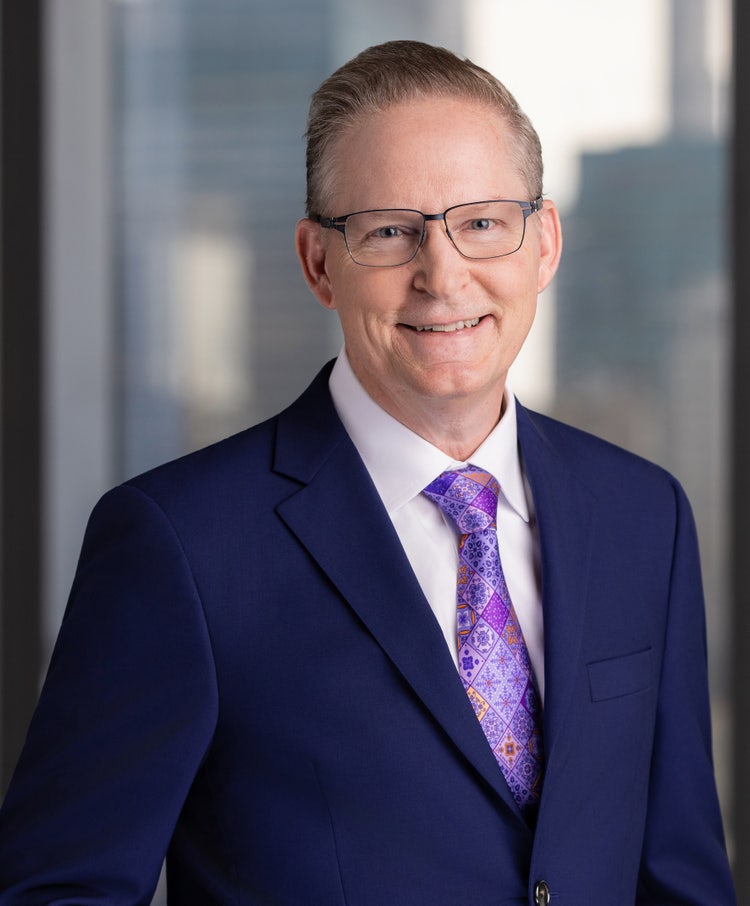
As Chief Global Supply and Quality Officer, Executive Vice President, Mike McDermott leads Pfizer’s internal and external manufacturing and supply chain activities.
Mike and the Pfizer Global Supply (PGS) team ensure uninterrupted supply for Pfizer’s entire product portfolio. This includes hundreds of medicines and vaccines provided to more than 185 countries worldwide. The PGS network, which includes more than 30 global manufacturing sites and approximately 30,000 colleagues, also works with more than 300 contract manufacturers to produce 50 billion doses of medicines and vaccines each year.
Mike has more than 30 years of industry experience, having joined Pfizer in 1989, by way of Wyeth, after starting as a Project Engineer in Pearl River, New York. He has held many roles, including Plant Manager and Operational Vice President of multiple divisions, including Consumer Healthcare, Biotechnology and Supply Chain, as well as roles in Finance and Marketing.
A passionate advocate for Diversity, Equity and Inclusion, Mike has enacted impactful changes to increase diversity within PGS and is the Executive Sponsor of Pfizer’s Women’s Resource Group, the company’s largest Colleague Resource Group.
Mike, his wife Katie and their five daughters – of whom he is incredibly proud – are committed to community engagement and social action. An active volunteer himself, Mike was a Board Member for People to People, a non-profit organization which helps under-served communities, for 10 years.
Mike holds Bachelor of Science and Master of Science degrees in Industrial Engineering from the New Jersey Institute of Technology (NJIT), where he has been an adjunct professor. He was named an NJIT Distinguished Alumnus and is the recipient of the 2023 Newark College of Engineering Outstanding Alumnus Award.
Mike serves on the Executive Committee of the National Association of Manufacturers and is a member of the Pharmaceutical Manufacturers Forum.
Dr. Nicol Turner Lee
Bio:
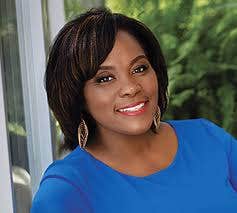
Dr. Nicol Turner Lee is a senior fellow in Governance Studies, the director of the Center for Technology Innovation (CTI) and co-editor of the TechTank blog and podcast at the Brookings Institution, which is a global think tank headquartered in Washington, D.C. She is also the founder of the AI Equity Lab, which focuses on convening experts from government, civil society, academia, and industry to develop purposeful, pragmatic, and inclusive solutions and policies. Dr. Turner Lee's research encompasses equitable access to technology across the U.S. and abroad. Her portfolio also includes leading research and public policy work focused on the identification and mitigation of online biases in artificial intelligence systems. She is the author of the book, Digitally Invisible: How the Internet is Creating the New Underclass (Brookings Press, 2024), and has appeared throughout various news media, testified before Congress and international global governance bodies, and written extensively on tech and telecom issues. She has been recognized for her distinguished career contributions by the American Sociological Association, Washingtonian Magazine, the Alliance for Women in Media, and Rainbow PUSH Coalition, among others. She has her B.A. from Colgate University, and her Ph.D. from Northwestern University.
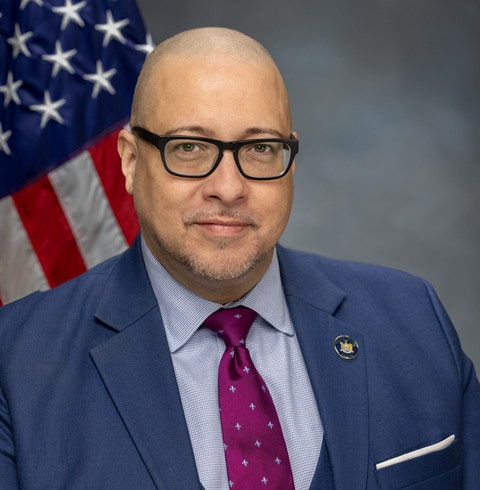
Gustavo Rivera
Bio:
State Senator Gustavo Rivera represents the 33rd District in the Northwest Bronx. Throughout his legislative career, he has passed more than 70 bills into law, protecting civil rights and addressing health inequities in our communities. In 2018, Senate Majority Leader Andrea Stewart-Cousins appointed Senator Rivera as the Chair of the Senate Health Committee. He has since passed several measures to eradicate medical debt from our state, expand health coverage for older, undocumented New Yorkers, and extend coverage for new mothers for a full year after giving birth. Senator Rivera is the main sponsor of the “New York Health Act," which would establish a universal, single payer health care system in New York. He also sponsors the bill to establish and regulate Overdose Prevention Centers to help New Yorkers struggling with substance abuse.
Vacheria Keys
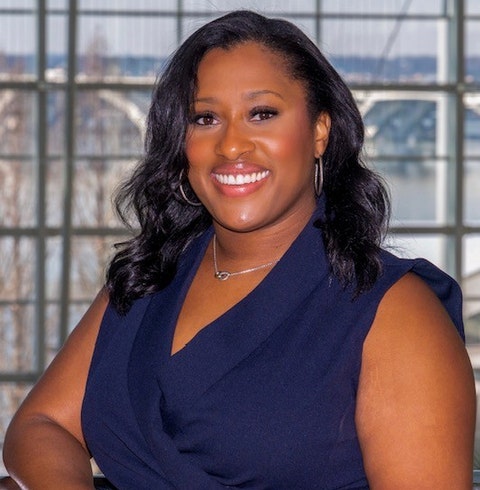
Bio:
Vacheria Keys is a national leader in the community health center space and a recognized expert in health policy, executive strategy, and regulatory affairs. As President and Chief Executive Officer of Greater Baden Medical Services, Inc., she drives organizational strategy, operational excellence, and mission-aligned growth to expand high-quality, equitable primary care across the region. Prior to her chief executive role, Vacheria served as Vice President of Policy & Regulatory Affairs at the National Association of Community Health Centers (NACHC), where she positioned herself as a premier leader on federal and state health policy. In this role, she spearheaded national strategy and led advocacy efforts across critical issues, including the 340B and pharmacy landscape, Medicaid, Medicare, value-based care, behavioral health, rural health, and social drivers of health. Her ability to navigate complex regulatory environments and build coalition strength with key Congressional and Administrative leadership has made her a pivotal voice in national health equity initiatives. A licensed attorney, Vacheria’s career also includes key regulatory and legal roles with the American Society of Anesthesiologists and the National Women’s Law Center. She is a proud double HBCU graduate, holding a B.A. in Economics from Spelman College and a J.D. from Howard University School of Law.
Shonta Chambers
Executive Vice President Health Equity Initiatives and Community Engagement, Patient Advocate Foundation
Bio:
Shonta Chambers is a seasoned non-profit executive and public health professional whose career spans more than 25 years of experience in chronic disease prevention, health promotion, community engagement, and women’s health. As Executive Vice President-Health Equity Initiatives and Community Engagement for the Patient Advocate Foundation (PAF), she is responsible for the development and execution of the Foundation’s national strategy to address health equity, with a specific focus on persons with chronic and complex health conditions residing in low-income communities with high disease morbidity and premature mortality. This includes establishing benchmarks to measure progress and impact. Shonta specifically drives program initiatives that respond to unaddressed social determinants of health and the social need gaps caused by them. As the staff lead for PAF's health equity work promoting person-centered care, she engages strategically with community stakeholders aligning with all facets where people seek assistance, to mitigate barriers to health care.
Shonta also serves as the Principal Investigator for the SelfMade Health Network, one of eight national networks supported by CDC-RFA-DP23-0015: CDC’s National Networks Driving Action: Preventing Tobacco-and Cancer-Related Health Disparities by Building Equitable Communities. She provides leadership in implementing and evaluating evidence-based strategies to advance the prevention of commercial tobacco use and promote early detection of cancer among populations with low socio-economic characteristics with the overall goal of decreasing related disparities.

RaeVen Ridgell
Defending inclusive Democracy Fellow, Kettering Foundation
Bio:
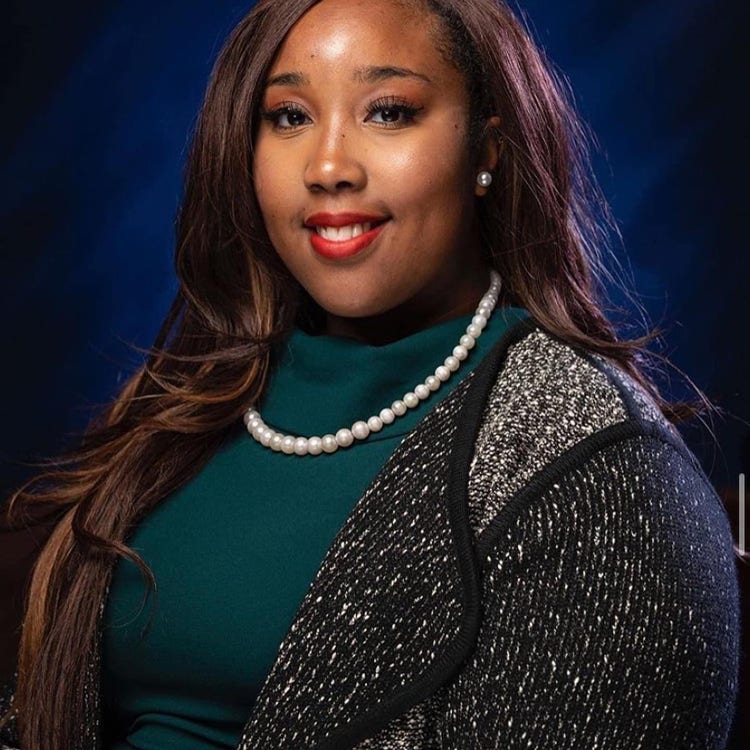
RaeVen Ridgell is a political strategist, policymaker, and storyteller whose work connects health equity, economic opportunity, and inclusive democracy. As the Inaugural Policy Fellow for the Defending Inclusive Democracy Fellowship with the Kettering Foundation, she brings over a decade of experience in policy, advocacy, and coalition building to advancing practical solutions for underserved communities. Her experience includes serving as Executive Director of the Indiana Black Legislative Caucus and Regional Public Policy Analyst for Planned Parenthood Alliance Advocates, working at the intersection of healthcare access, public policy, and community needs.
A proud member of Alpha Kappa Alpha Sorority, Inc., RaeVen holds degrees in Political Science, Theatre & Performance, and Africana Studies, along with a Master of Public Affairs from the O’Neill School of Public Affairs. She is a recipient of Indiana’s Young Woman of Promise Torchbearer Award, a Stanley K. Lacy Executive Leadership Series alumna, and a CBCI Political Leadership Bootcamp graduate. Across her work, she brings people, policy, and stories together to expand opportunity and strengthen communities. She grounds that commitment in the words of Nikki Giovanni: “If now isn’t a good time for the truth, I don’t see when we’ll get to it.
Michael P. Cary, Jr.
PhD, RN, FAAN
Bio:
Michael P. Cary, Jr., PhD, RN, FAAN, is a tenured Associate Professor at the Duke University School of Nursing. His work examines how clinical, social, and healthcare-system factors affect recovery, healthcare use, and health outcomes among older adults and underserved populations. Dr. Cary’s research has two complementary arms. The first develops and evaluates AI-enabled clinical decision-support tools that help care teams identify older adults at risk for poor recovery, improve discharge planning, and support successful transitions back to the community. The second identifies and mitigates bias in clinical AI tools to reduce the risk of inaccurate or unequal recommendations that may harm specific patient groups. Together, these areas advance the benefits of clinical AI while addressing its potential risks. As Director of H.U.M.A.I.N.E.™—Human-Centered Use of Multidisciplinary Artificial Intelligence for Next-Gen Education and Research—Dr. Cary leads interdisciplinary efforts to prepare nurses and health system leaders to evaluate and govern AI responsibly. He also contributes to Duke Health’s Algorithm-Based Clinical Decision Support program, supporting the evaluation and monitoring of clinical algorithms. Through this work, he is helping shape national and global approaches to digital health policy, AI accountability, and patient protection.